Do Smart Bulbs Use More Electricity Than Regular Light Bulbs?
Thinking about dipping your toes into the world of smart home technology? Upgrading to the best smart light bulbs is one of the simplest and most affordable first steps you can take! These bulbs bring a world of convenience to your fingertips, offering features like app-controlled operation, voice assistant compatibility, and customizable color, temperature, and brightness settings. With Wi-Fi connectivity readily available, most smart bulbs skip the need for a hub, making them more accessible than ever. But, if you’re weighing their value as one of your budget-friendly smart home additions, you’re probably wondering: will all that extra tech bump up my electricity bill?
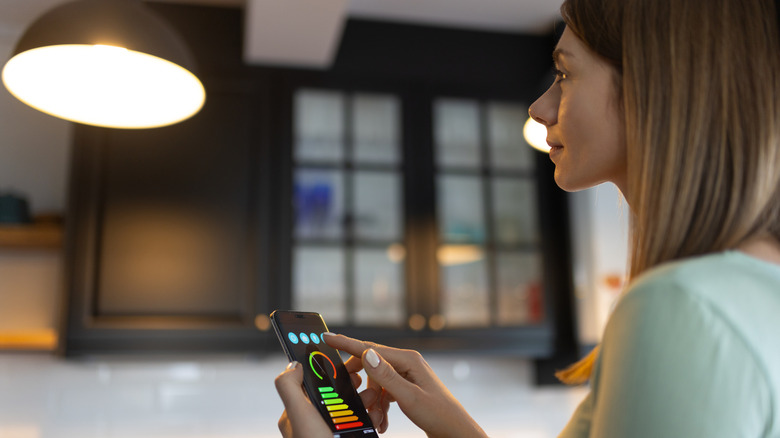
The short answer is yes, smart bulbs do consume a bit more power than standard LED bulbs. However, the difference is usually minimal and can be offset by utilizing the smart features effectively. In fact, when you stack a smart LED bulb against an old-school incandescent bulb with similar brightness, the smart bulb wins by a landslide, using around 80% less energy! They also outshine compact fluorescent lamps when it comes to power efficiency. Let’s dive into the specifics of how much energy these smart lamps actually use.
Smart bulbs and their electricity consumption
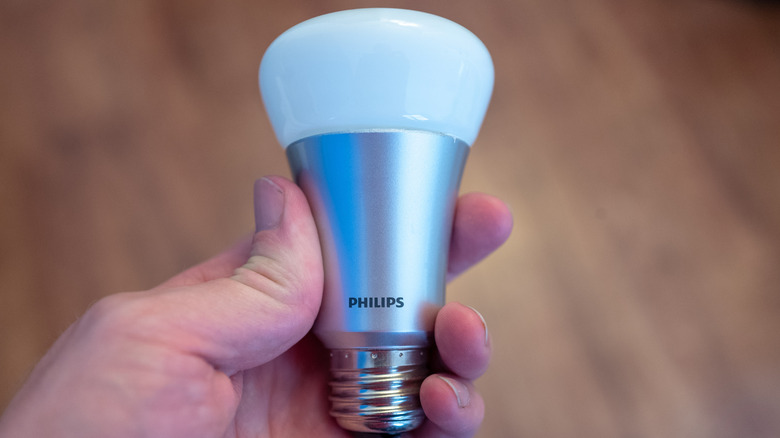
At their core, smart bulbs are basically LED bulbs enhanced with extra circuitry for wireless connectivity and smart functionality. When turned on, their power consumption mirrors that of a regular LED bulb. However, that added technology needs a little juice to stay active, resulting in a slightly higher standby power consumption. This minimal energy draw, sometimes called “vampire draw” or “phantom load,” happens even when the bulb is technically off (unless you’ve flipped the main power switch). Typically, this draw is quite small, hovering between 0.2 and 0.5 watts. It keeps the connectivity chip and other smart components ready, so your bulb can spring to life the moment you tap the app or ask Alexa to turn it on.
To put it into perspective, even if you had 20 smart bulbs throughout your home, each drawing 0.5 watts on standby, you’d only be using about 10 watts of extra electricity. Over an entire year, that amounts to roughly 88 kilowatt-hours. Considering the average electricity cost hovers around 15 to 17 cents per kWh, you’re looking at an extra $11 to $13 annually. And for that small price, you unlock a whole lot of convenience!
Smart bulbs can end up saving you money
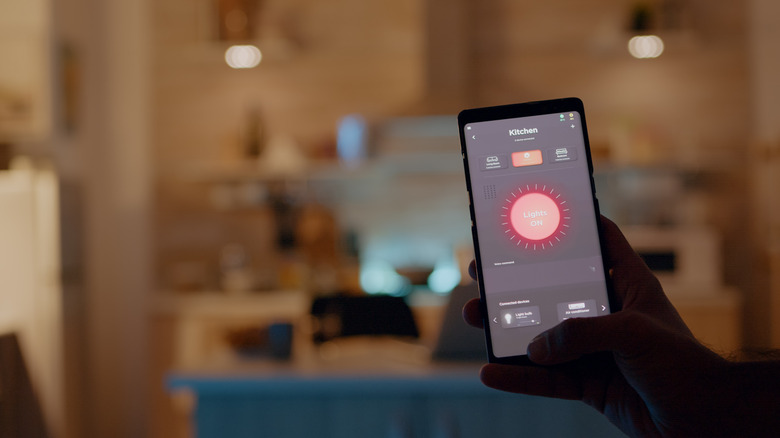
Despite that tiny “vampire draw,” smart bulbs have the potential to be more energy-efficient than regular LED bulbs over the long haul, primarily due to their automation capabilities and dimming features. Unlike traditional bulbs that rely on you to manually turn them off, smart bulbs can be programmed to switch on and off at specific times. This eliminates wasted energy when you forget to turn them off. Even better, if you integrate motion sensors into your smart home ecosystem, you can set your smart bulbs to automatically turn off when no movement is detected in a room, further reducing energy waste.
Plus, dimming the lights when full brightness isn’t needed is a breeze with smart bulbs, thanks to app control and voice assistant compatibility. All things considered, the minimal extra power consumption is hardly a reason to shy away from upgrading to smart bulbs. If replacing all your home’s lighting at once feels overwhelming, start small and gradually expand your smart lighting setup as your budget allows or when you stumble upon a great deal!