What is horology?
Again, asking what horology is is a very loaded question, and has been covered before here at Time+Tide. That being said, to provide some context to work from, horology or chronometry, according to the best academic source on the internet, Wikipedia, is defined as the science studying the measurement of time and timekeeping. Chronometry specifically refers to the establishment of standard time measurements. Horology usually refers to the study of mechanical timekeeping devices. That should settle the smartwatch argument right there, no? Merriam-Webster defines horology as 1: the science of measuring time and 2: the art of making instruments for indicating time. These definitions allow for a more nuanced argument in my eyes, and will be the focus of my writing.
What does it mean for a product to participate in horology?
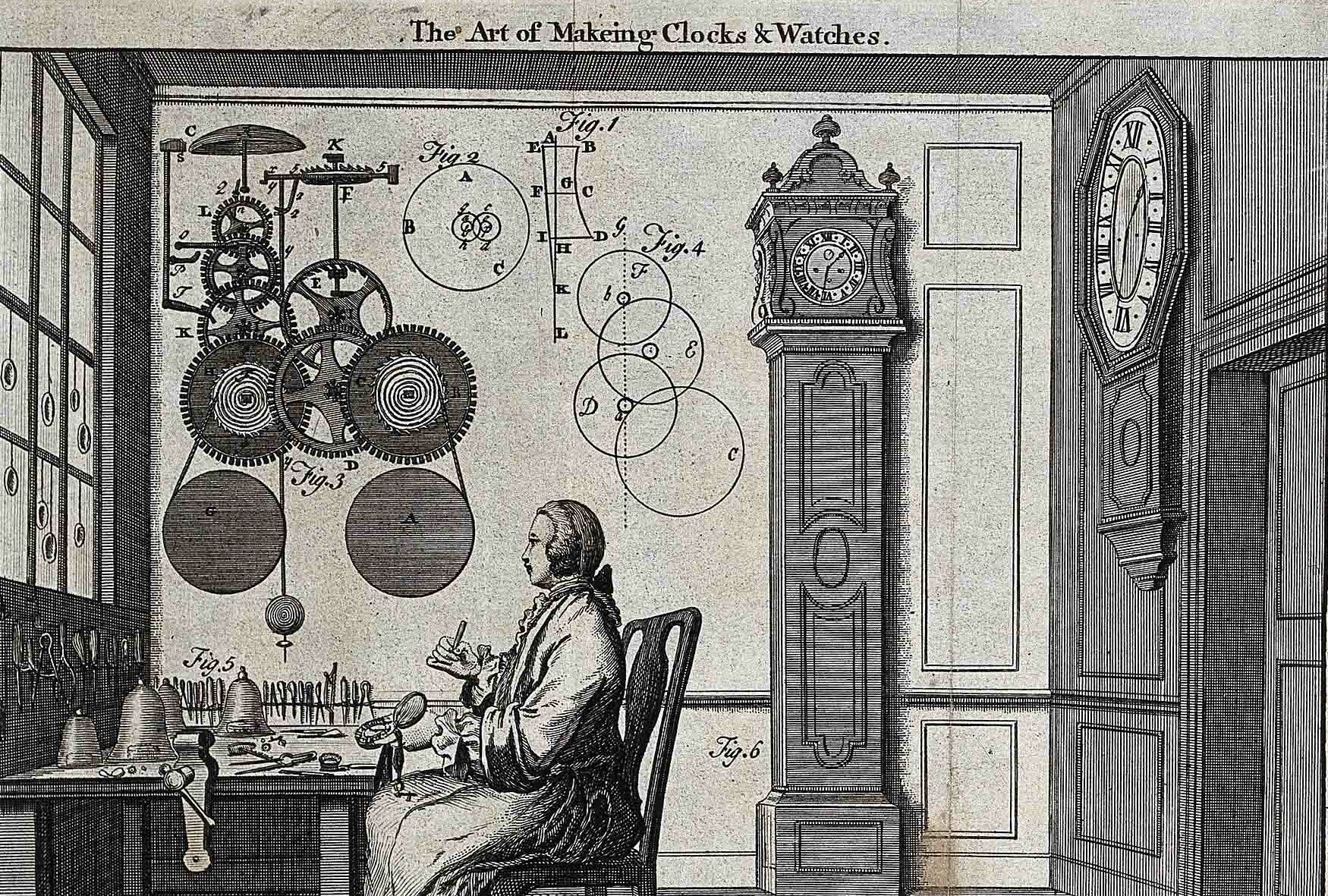
Regarding “the science of measuring time” portion of the Merriam-Webster definition of horology, it would make sense that the development of any product that is able to display the time participates in horology, or represents horology, as the technology utilised to do so requires some sort of ability to measure elapsed time. Throughout the history of measuring time, clever individuals completed exhaustive research to develop and produce ways of measuring time, with the goal of being able to do so predictably and reliably. Ranging from sundials to sand timers to computer chips, anything that utilises some sort of technological development that allows for the display and measurement of the passage of time would be included in this definition.
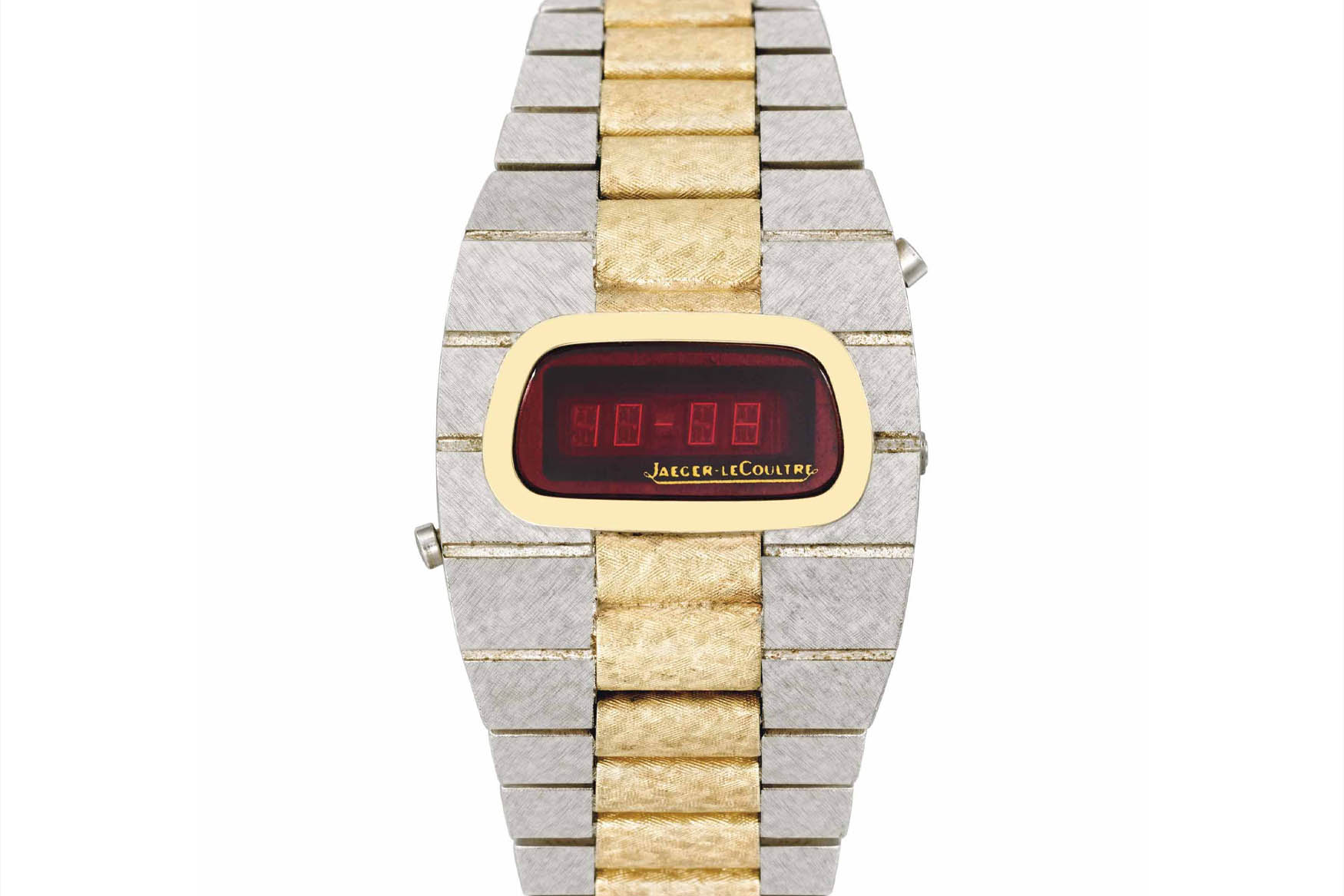
A rare Jaeger-LeCoultre Polara LED quartz watch in two-tone steel and 14k from 1975. Image courtesy of Christie’s.
As for “the art of making instruments for indicating time” portion of the definition of horology, I’m sure most watch enthusiasts interpret that definition as being focused on the field of mechanical watchmaking, yet I would argue that there is still an art to great product design.
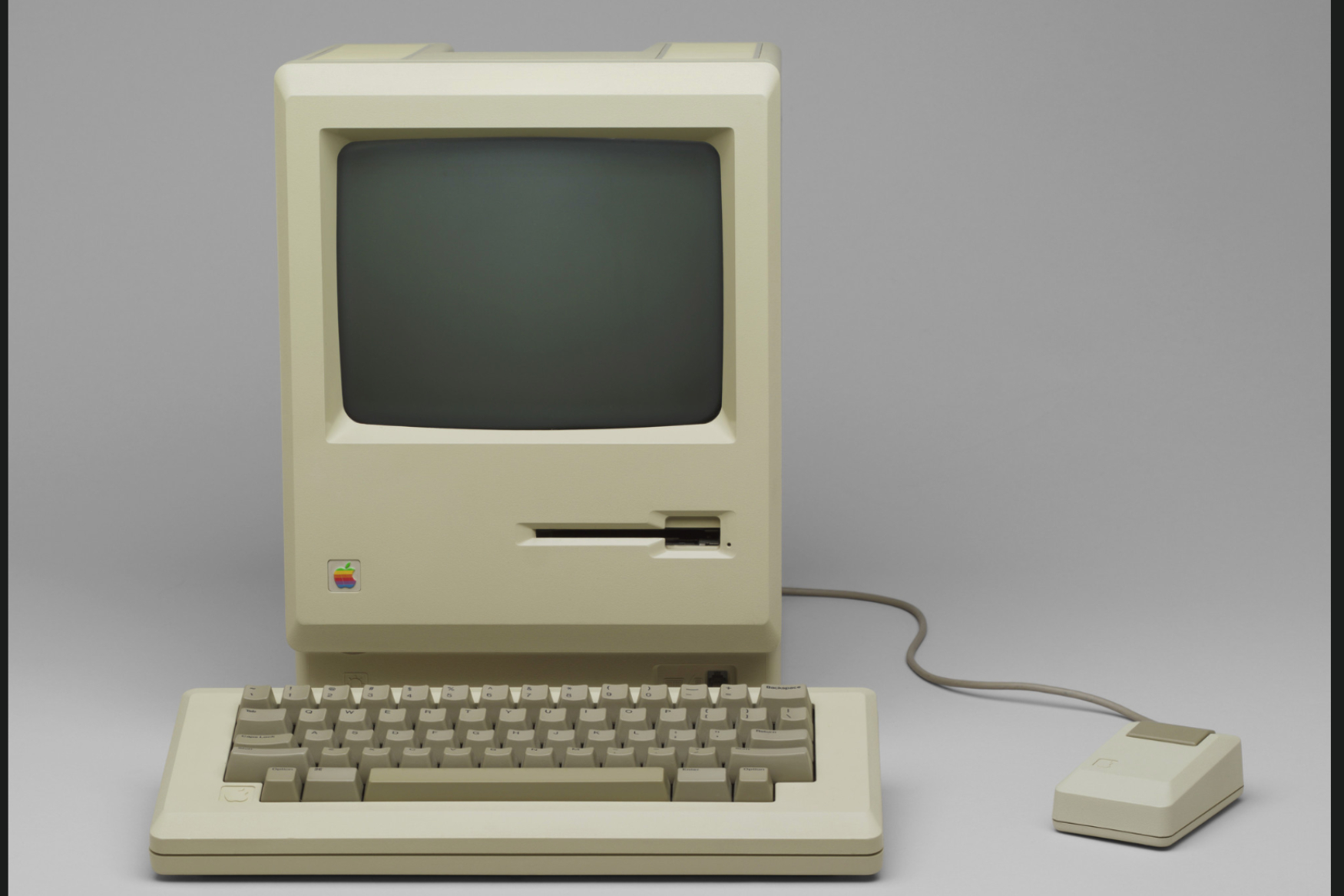
Some smartwatches are better than others, but whether you like Apple products or not, I think it is reasonable to say that Apple’s team of designers have a knack for compelling product design, which is a skill that can be viewed as an art. Various Apple products are part of the collection at the Museum of Modern Art in New York City, including Macintosh computers from the 1980’s, the iPod, the iBook, and others (all of which indicate the time, by the way). There are also Swatch watches as part of the MoMa collection, along with 2,574 items catalogued online in MoMa’s “product design” category. I think it is reasonable to conclude that there is an art to product design, which can include the art of designing instruments for indicating time.
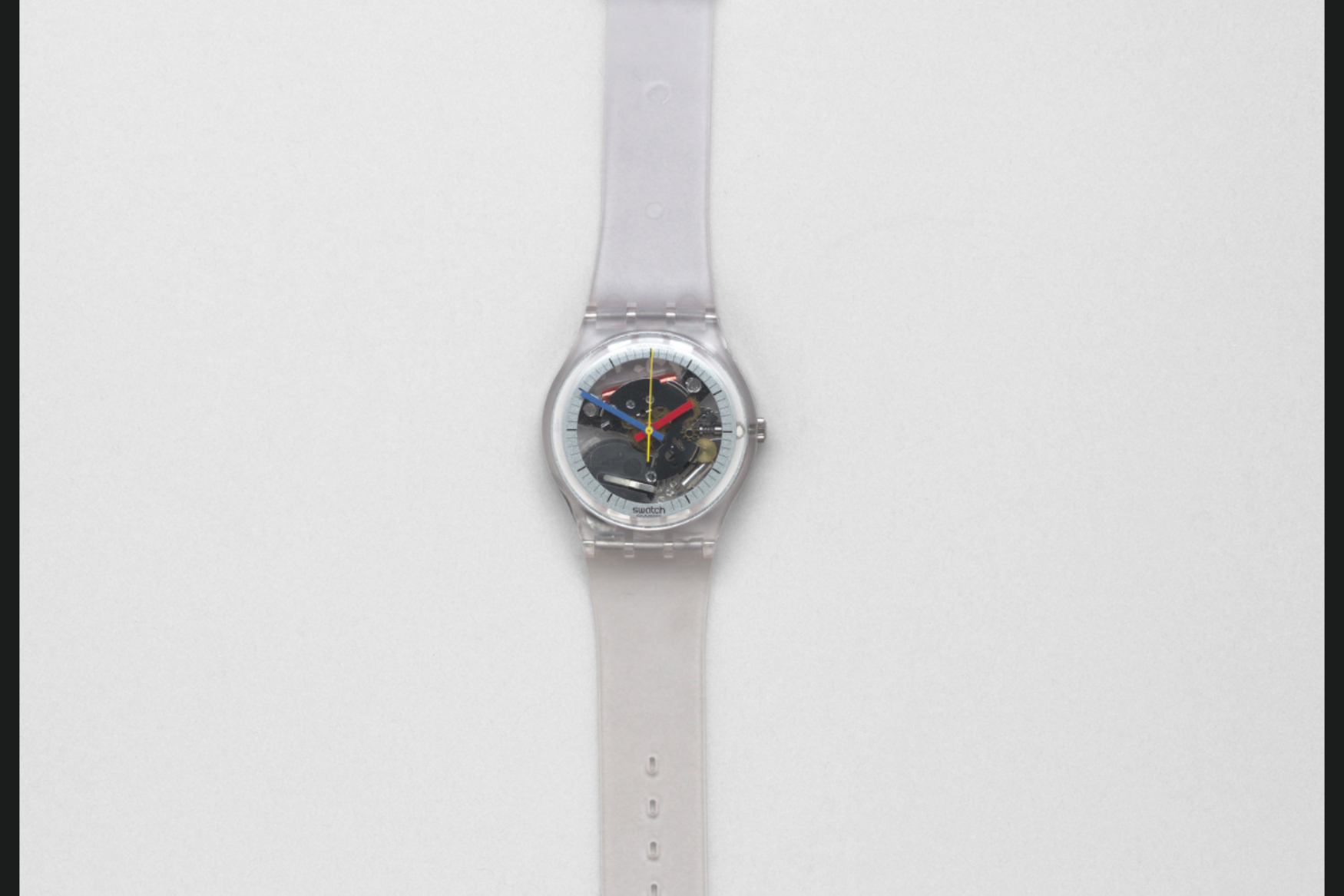
Swatch Jellyfish from 1983. Image courtesy of MoMa
In order for a product to participate in horology, I would conclude that the act of utilising a technology that allows for the display of the passage of time includes that product in horology. I would also say that the art of designing an item that is intended to display the passage of time includes that item in horology.
Do watch collectors and enthusiasts participate in horology?
If we stick to the definitions that have been presented, unless one is participating in the science of measuring time, or making an instrument to indicate time, then no, collectors and enthusiasts do not participate in horology. Such a cut-and-dry conclusion would be boring, but according to Wikipedia, those who participate professionally in making timekeeping instruments, and scholars and enthusiasts of these instruments, are referred to as horologists.
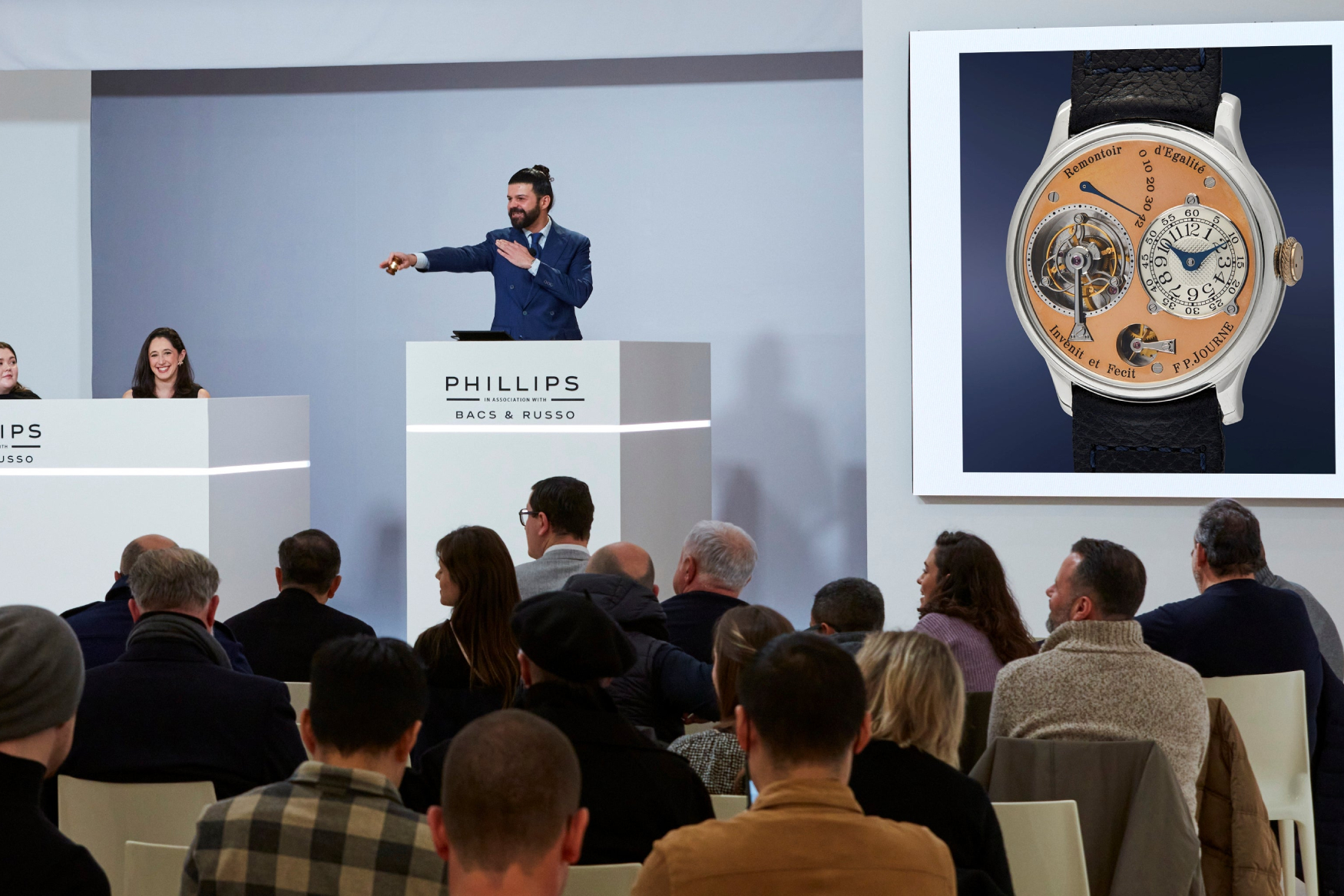
Luckily for any potential identity crisis I may have spurred, being a horologist includes all of us who are actively participating in learning about timekeeping instruments. That means reading, learning, and participating in discussions surrounding timekeeping instruments should be considered an act of a horologist. Where I would draw the line is collectors of watches that are solely focused on the potential financial upside of the watches they collect. While I’m glad that the large-scale calamity surrounding a hot watch market has largely subsided, such collectors have and likely always will exist. This isn’t exclusive to watches either. There are all sorts of collectors, including those who collect cars, visual art, wine, and others, who are either primarily or solely interested in some sort of beneficial financial return on their investment.
Collecting does not necessarily make one an enthusiast, and an enthusiast does not need to be a collector. If someone is accumulating a collection of watches, and their collecting is focused on value retention/appreciation and perceived social standing, then I would say they are not a horologist. If someone is collecting watches and actively learning about the technology, history, and design process surrounding their collection, then I would say they are an active horologist. I also think it is safe to say that one can be a horologist without collecting, and the consumption of information does not directly correlate to the acquisition of watches. If that was true, I’d have a hell of a lot more watches.
How does technology fit in? Does the Apple Watch participate in horology?
Merriam-Webster defines technology as 1a: the practical application of scientific knowledge in a particular area. When it comes to timekeeping, this again includes everything from sundials (a very antiquated technology) to computer chips (a more modern technology). As watch enthusiasts, though, we are likely most concerned with technologies that allow for a more accurate measurement of the passage of time, or technologies that allow for novel approaches to the measurement of time.
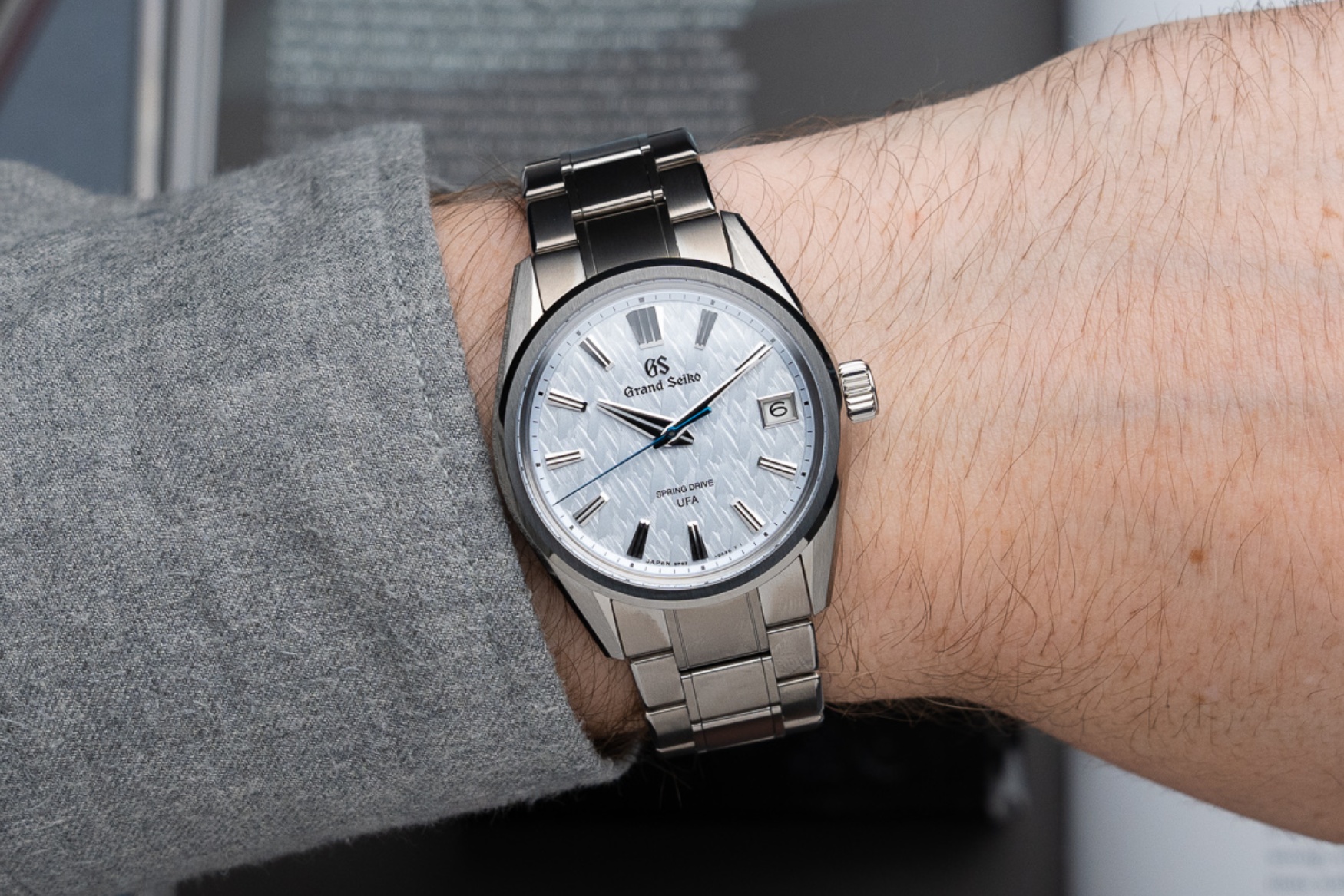
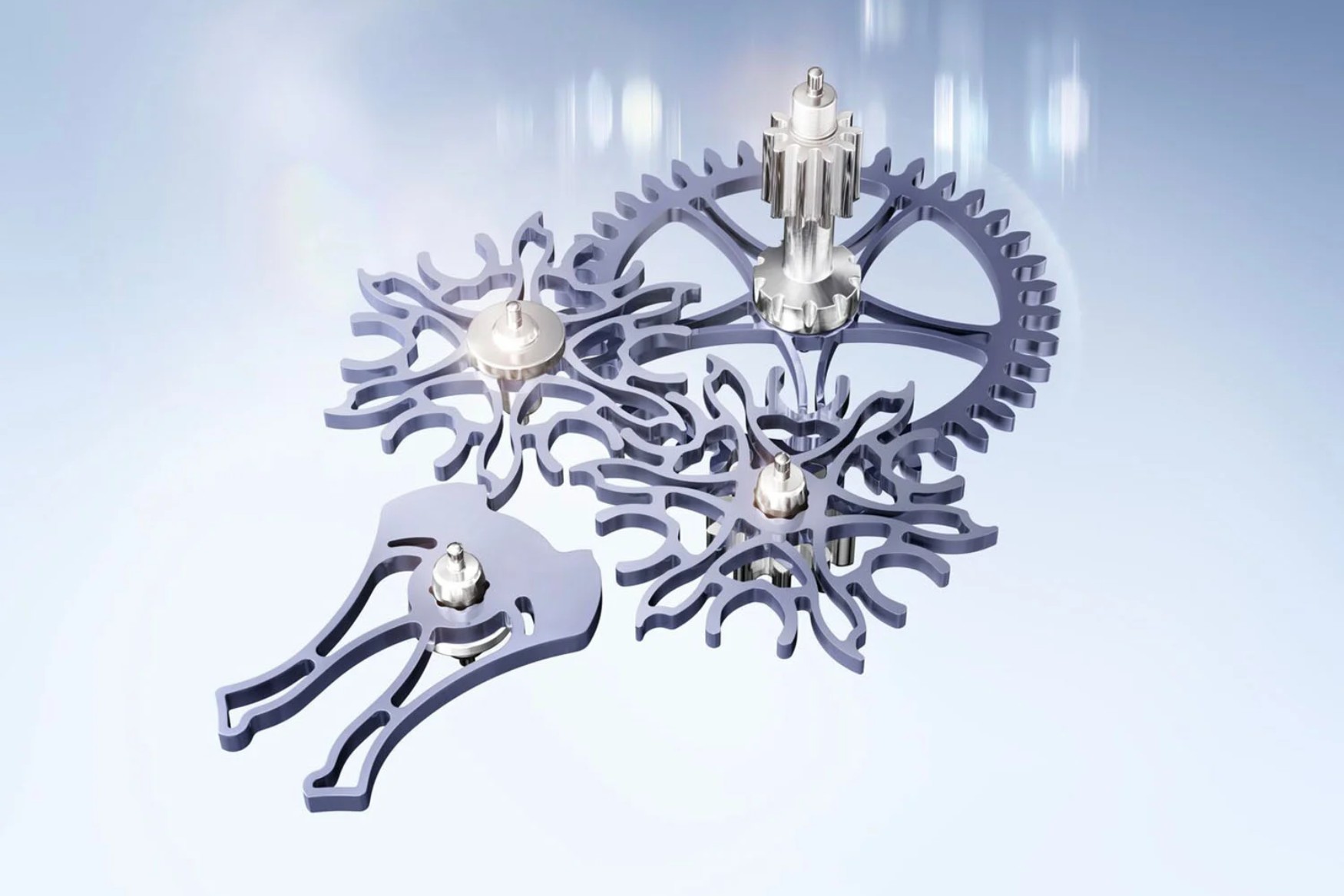
Quartz timekeeping, for example, was a major development in horology as it allowed for a great improvement in the accuracy of timekeeping instruments. The tourbillon was also a technological development in timekeeping, as it reduced the effect of gravity on a balance wheel, thus increasing its timekeeping precision. Recent developments, including Grand Seiko’s UFA Spring Drive calibre that utilises both quartz and mechanical technologies to achieve an accuracy +/- 20 seconds per year, and Rolex’s DynaPulse silicon escapement that allows for increased accuracy, reduced effects of magnetism, and a longer power reserve, are great examples of technological developments in modern mechanical watchmaking that get enthusiasts excited.
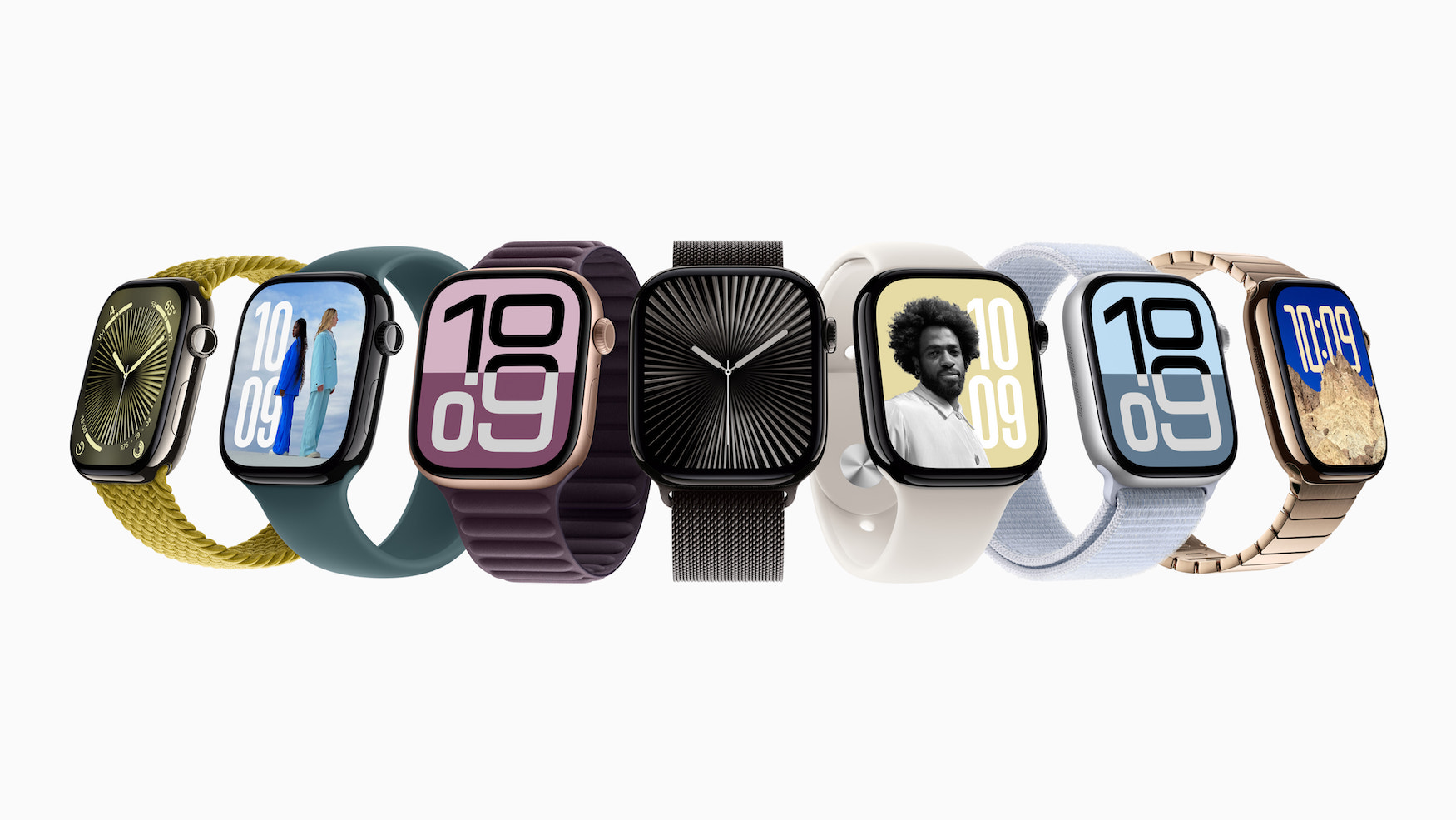
That being said, these technological developments seem to share very little overlap with “tech” products like the Apple Watch. The multitude of purposes that smartwatches can serve takes priority over their ability to measure and display time. A smartwatch’s ability to serve in functions regarding fitness tracking, calendar management, phone notifications, and basically anything that there is an application for, is the primary focus of the device. Smartwatches’ form factor as something worn on the wrist, and thus calling them watches, seems to be more of a consequence of cultural expectations and marketing than anything regarding their primary function.
Since it is relatively easy to include the functionality of tracking and displaying the passage of time with computer-based technology, and we expect that function from something worn on the wrist that resembles a watch, it makes sense that smartwatches both function as a time-keeping device in addition to their other functions. Standalone fitness trackers were at one point very popular, but their popularity has waned as smartwatches have become more commonplace.
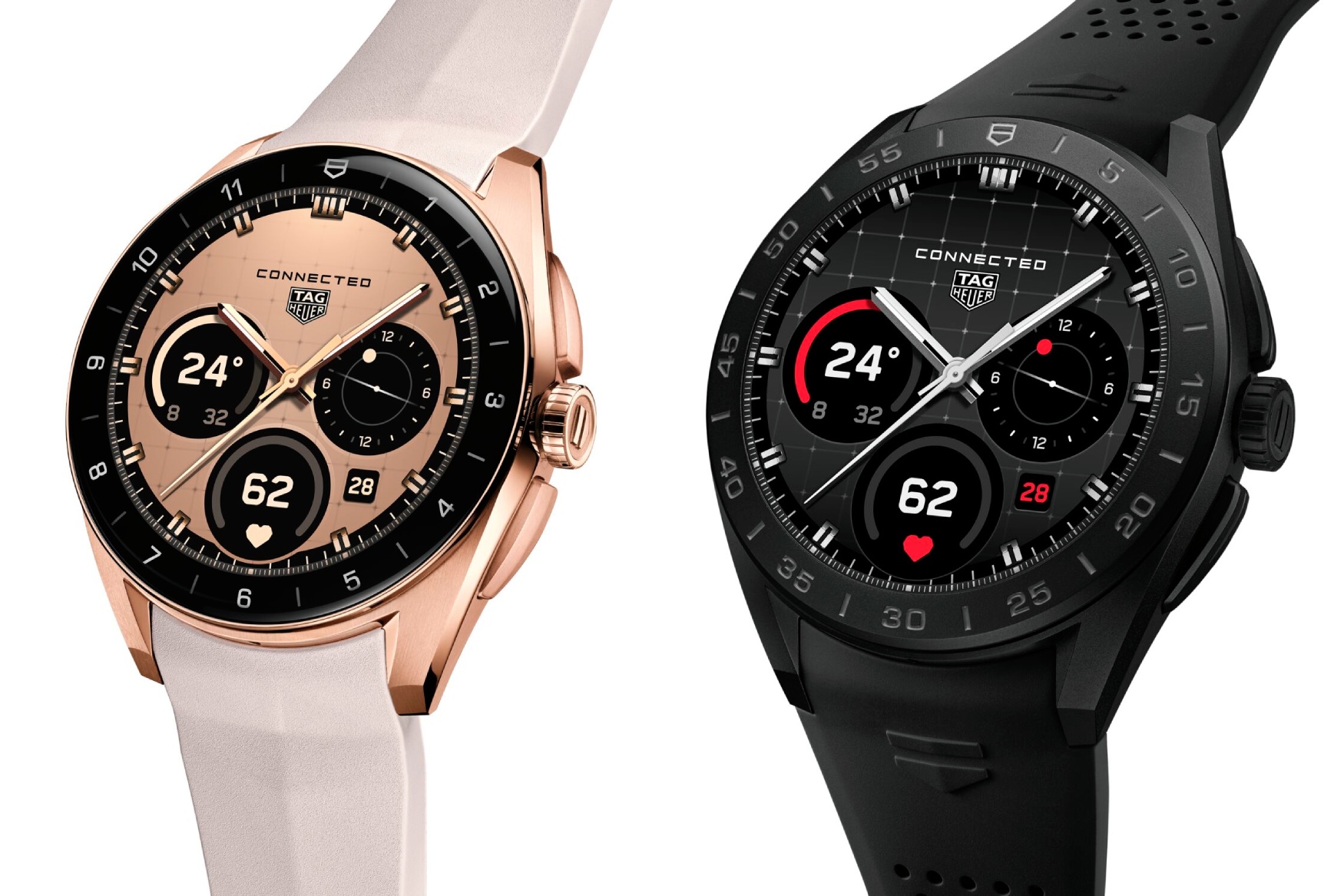
Even though smartwatches’ primary function is not necessarily to serve as a timekeeping instrument, the fact that they do measure time, are designed in the form factor of a timekeeping instrument, and have taken a place in the dialogue of timekeeping instruments, does lead me to think that smartwatches do participate in horology.
Conclusion: craft and art
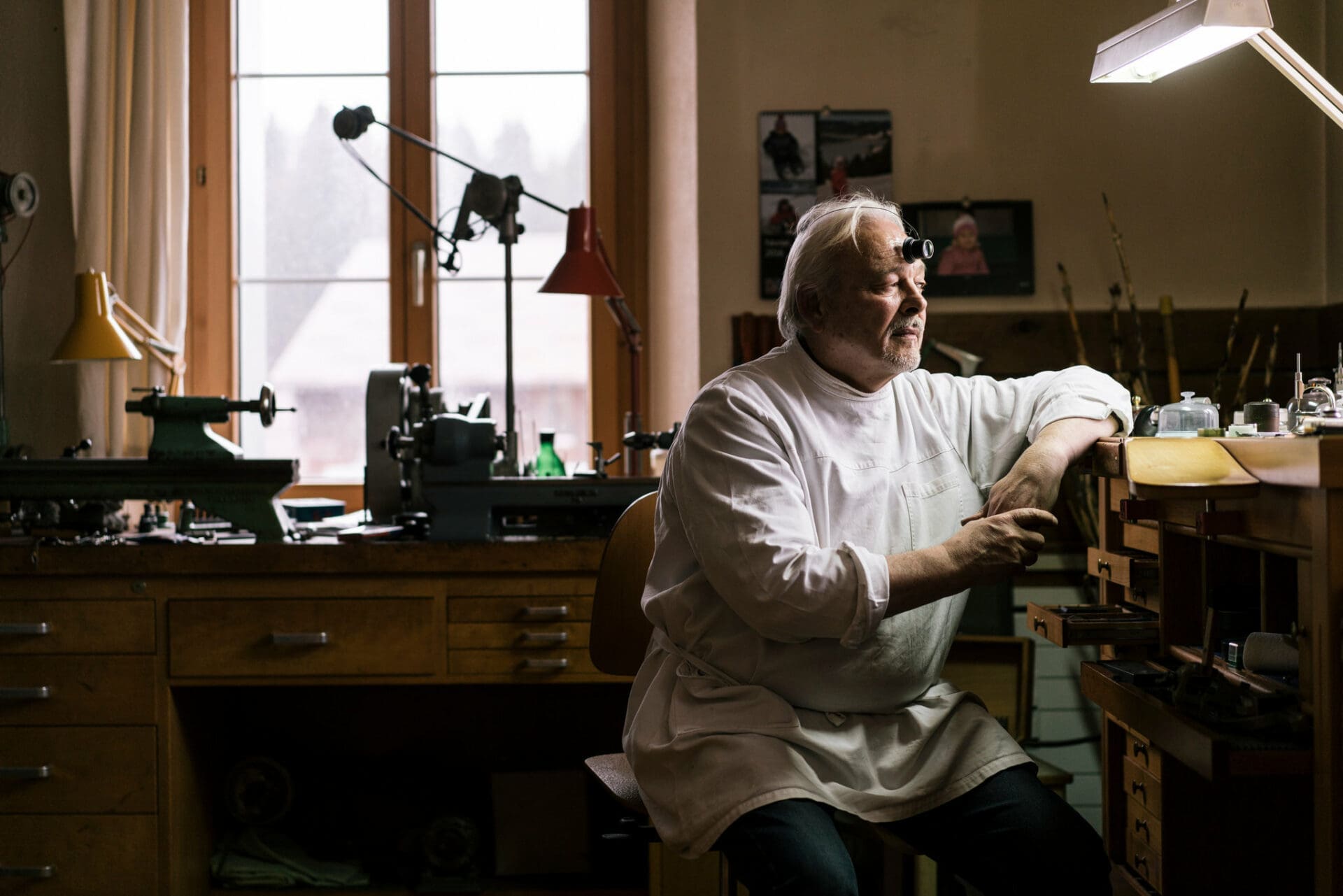
Two aspects of watchmaking that I haven’t discussed that I think are important are craft and art. Craft can be defined as an occupation or trade requiring manual dexterity and/or artistic skill. Art can be defined as a skill acquired by experience, study, or observation. There is most certainly craft and art involved in watchmaking, ranging from product design to assembly, to the highly skilled artisans that are completing the entirety of components involved in a watch on their own. In the context of modern watches, this can still apply to everything from Swatch watches to Philippe Dufour.

Incredibly skilled and practiced product designers that are dedicated to their craft are working at Swatch. Those product designers are potentially just as dedicated to their craft as Roger Smith is to his watchmaking. While the public perception of working for big tech companies suggests otherwise, I know many passionate people view coding and product design as an art. While there are qualitative ways of measuring products and the people involved against each other within a category, to state whether or not a product or person participates within a field is a matter of intention.
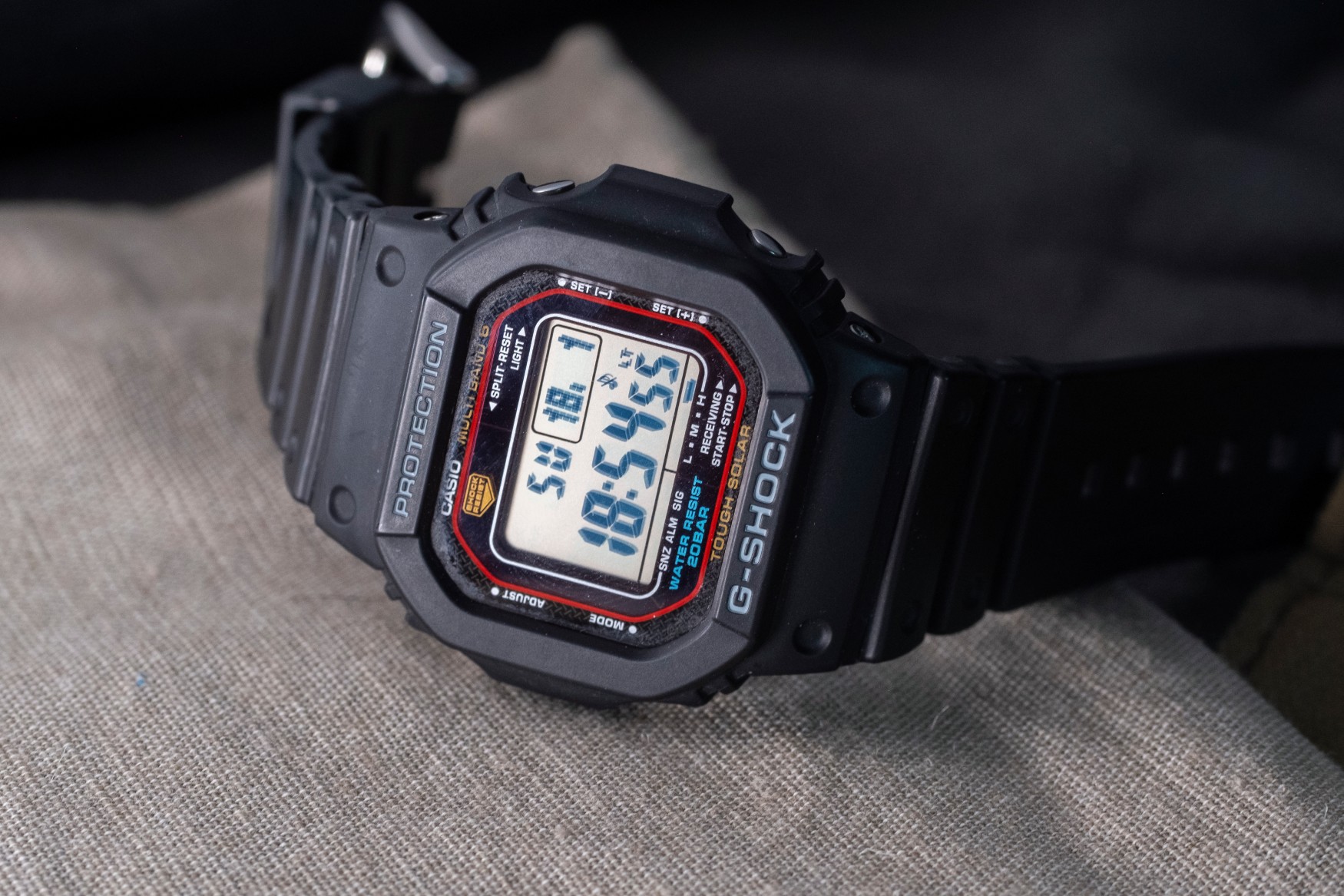
Smartwatches are products that participate in horology, but a smartwatch owner is not necessarily a horologist. Horologists are often watch collectors and enthusiasts, but not all watch collectors are horologists. Hell, there are a small but very dedicated group of people interested in clocks and their various iterations, that have no interest in watches, and the opposite is quite true as well. My own parents have a handful of clocks, but they hardly participate in any sort of research or dialogue surrounding horology. Again, one’s personal identification as a fan of horology is a matter of intention. From G-Shocks to De Bethunes, if you are excited about the technology, art, and craft of watchmaking in any way, shape, or form, then by all means welcome to the club! I won’t judge one for wearing a smartwatch: I’m double-wristing as it is.